top 10 sustainable dressmaking supplies for eco friendly fashion
As the fashion industry continues to evolve, so does the importance of sustainability in every stage of garment creation. In 2026, eco friendly fashion has become a priority for many designers and hobbyists alike. By choosing sustainable dressmaking supplies, you can contribute to a greener planet while creating beautiful garments. Here are the top 10 sustainable dressmaking supplies that every eco conscious designer should consider.
1. Organic Cotton Fabric
Organic cotton is grown without harmful pesticides and synthetic fertilizers, making it a healthier option for both the environment and those who wear it. It's soft, breathable, and available in a wide range of colours and patterns. Look for fabric certified by reputable organisations such as the Global Organic Textile Standard.
2. Tencel Lyocell
Tencel Lyocell is made from sustainably sourced wood pulp and is produced in a closed loop process, meaning that the solvents used in production are recycled. The fabric is biodegradable, soft to the touch, and has excellent moisture-wicking properties, making it perfect for summer garments.
3. Linen
Linen is a timeless fabric made from the flax plant, which requires fewer resources to grow compared to cotton. It is biodegradable, durable, and becomes softer with each wash. Its natural breathability makes it an ideal choice for warm weather clothing.
People Also Look For:
- Dressmaking Scissors 9 Inch(24cm) - Dressmaker Tailor's Sewing Fabric Shears for Cutting Fabric, Clothes, Leather, Raw Materials(R...
- LIVINGO 8" Professional Heavy Duty Tailor Fabric Scissors, Dressmaking scissors for Sewing, Classic Stainless Steel Ultra Sharp Fo...
- Memory Bear Sewing Patterns UK, Teddy Bear Patterns Sewing, Sewing Patterns for Beginners, Rag Doll Patterns to Sew, Memory Bear S...
- Fabric Scissors 10 Inch(25.4CM), Sewing Dressmaking Scissors Razor Sharp High Carbon Steel Tailor's Shears for Cutting Fabrics, Le...
- Asdirne Fabric Scissors, Dressmaking Scissors with Heavy Duty Titanium Plated Stainless Steel, Tailor Scissors for Cutting Fabrics...
4. Recycled Polyester
Recycled polyester is created from post-consumer plastic bottles, which helps reduce waste in landfills. Using this fabric not only gives a second life to plastics but also conserves resources and energy compared to virgin polyester. It has a wide range of applications, from dresses to activewear.
5. Natural Dyes
Natural dyes are derived from plant materials, insects, and minerals, offering a more environmentally friendly option compared to synthetic dyes. They create beautiful, unique colours and have a significantly lower environmental impact. Explore local dye plants or consider commercial sources that focus on sustainability.
6. Bamboo Fabric
Bamboo is a fast-growing plant that requires minimal water and no pesticides. Bamboo fabric is soft, moisture-wicking, and naturally antibacterial, making it an excellent choice for various clothing items. Ensure that you choose bamboo sourced from sustainable practices to maximise its eco friendly benefits.
7. sewing notions from recycled materials
Choosing sewing notions made from recycled materials, such as buttons, zippers, and threads, can significantly reduce your project's environmental impact. Look for brands that specialise in sustainable notions, or consider upcycling items from old garments to create something new.
8. Sustainable Interfacing
Interfacing is essential for adding structure to garments. Opt for interfacing made from organic cotton or recycled materials. These options not only support your sustainable goals but also provide durability and support to your designs.
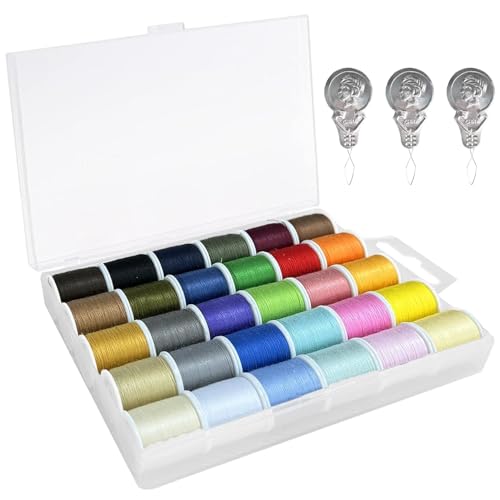
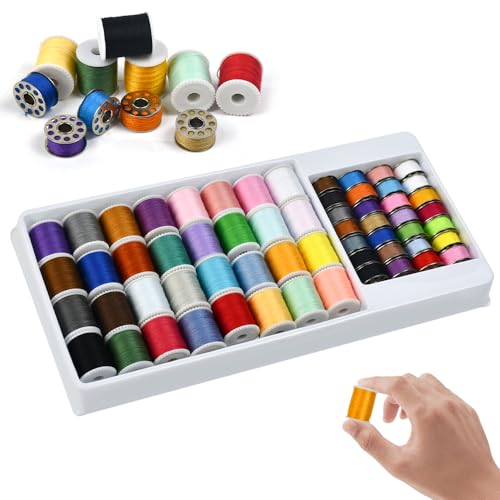
9. Eco friendly Thread
Look for threads made from organic cotton, bamboo, or recycled polyester. These threads not only reduce the environmental impact of your sewing projects but also offer excellent strength and durability. Brands that focus on sustainable practices often offer a variety of colours and weights.
10. Biodegradable Packaging
When sourcing your dressmaking supplies, consider suppliers who use biodegradable or recyclable packaging. This small change can make a significant difference in reducing plastic waste. Look for businesses that prioritise sustainability in their shipping and packaging processes.